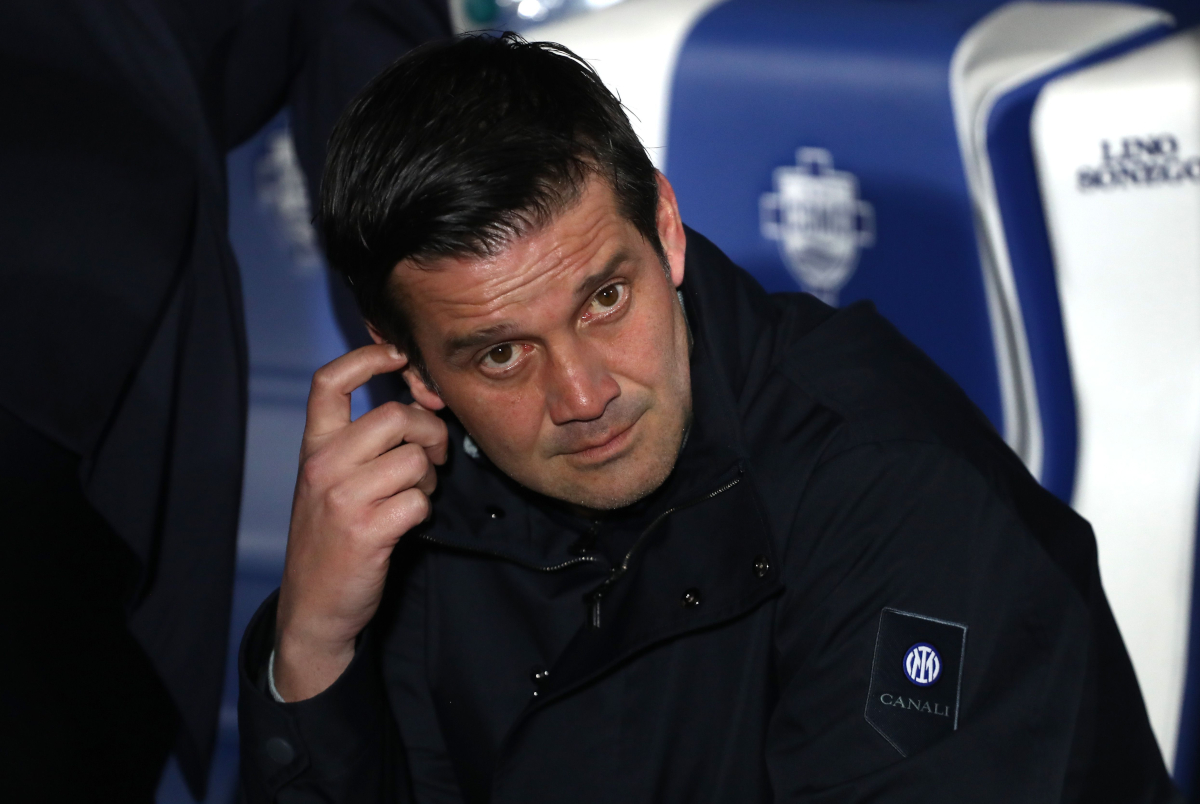
Chivu's Inter Changes: Why the Goalless Draw with Como?
The highly anticipated Coppa Italia semi-final first leg between Como and Inter Milan on March 3, 2026, promised fireworks but delivered a damp squib of a goalless draw. Played out at the Sinigaglia stadium, this Como-Inter 0-0: Tactical Stalemate in Coppa Italia Semis left fans and pundits alike dissecting the strategic choices that led to such a lack of goalmouth action. For Inter coach Cristian Chivu, it was a match marked by significant tactical experimentation and player turnover, raising questions about his priorities amidst a dominant Serie A campaign. The outcome, a 0-0 stalemate, keeps both teams' Coppa Italia dreams alive, setting the stage for a tense return leg in April.
Chivu's Bold Lineup and Tactical Rationale
Cristian Chivu arrived in Como with a reputation for tactical astuteness, yet his starting XI for the Coppa Italia semi-final left many surprised. With Inter flying high in Serie A, boasting a commanding 10-point lead, Chivu opted for a substantial squad rotation, resting several usual starters. This was not merely a matter of giving key players a break; it was a conscious decision to experiment with personnel and formation, a move he described as the "first time like this."
The most notable changes included the deployment of Diouf as a second striker alongside Esposito, a less familiar pairing upfront. Darmian and Carlos Augusto were positioned on the flanks, seemingly tasked with providing width and defensive cover. In midfield, Frattesi was pushed up to press Como's Smolcic, aiming to disrupt their playmaking from deep. This reshuffled lineup, featuring players like Bisseck, Calhanoglu, and Sucic, struggled to find cohesion, leading to a noticeable lack of quality and reference points in Inter's attacking play. Esposito found himself isolated, while Diouf faded between the lines. Chivu's decision, while perhaps aimed at managing squad fatigue and providing opportunities, undoubtedly contributed to Inter's subdued performance in the final third.
One cannot overlook the broader context: Inter faced a crucial Milan derby just days after the Coppa Italia tie. Prioritizing league success and managing player fitness for such a pivotal Serie A clash likely influenced Chivu's conservative approach against Como. However, it also highlighted a recurring theme for the Nerazzurri this season: while dominant in the league, they appeared to be struggling more in cup competitions, having already crashed out of the Champions League.
Como's Calculated Caution Under Fabregas
On the other side of the pitch, Como coach Cesc Fabregas also presented a tactical surprise, demonstrating a clear desire to approach the game with caution and solidity. Fabregas opted to play without a traditional center forward, instead placing Paz up front, supported by Caqueret and Vojvoda. More strikingly, Como adopted a highly defensive 5-4-1 formation, a significant departure for the Spanish coach, signaling their intent to frustrate the Serie A giants.
This disciplined setup allowed Como to effectively control their defensive third, minimizing the space for Inter's attackers. Fabregas's strategy was geared towards denying Inter easy routes to goal and maintaining a compact shape. As the first half progressed, Como gradually gained more possession and raised their center of gravity, pushing Inter backwards without truly creating a flurry of scoring opportunities. Their approach was less about creating dazzling attacks and more about tactical control, waiting for moments to exploit Inter's reshuffled defense. This tactical duel resulted in a slow tempo and a wait-and-see approach from both sides, reflecting the high stakes of a semi-final first leg where conceding an away goal could be devastating.
A Match of Scarcity: Analyzing the Few Chances
The defining characteristic of this Coppa Italia Semi-Final: Boredom Sets Stage for Tense Return Leg was the profound scarcity of genuine goal-scoring opportunities. The first half, in particular, was described as one of "intense deliberation" rather than excitement. Goalkeepers Martinez for Inter and Como's custodian were largely inactive, testament to the tactical stalemate unfolding before them.
Despite the overall lack of verve, a few moments did stand out. In the 17th minute, a mistake in Bisseck's block allowed Voyvoda a fleeting chance, but Carlos Augusto's decisive intervention prevented a shot on goal. Later, Vojvoda found himself in a promising position, only to be denied by Martinez, though the play was ultimately flagged for offside. The most significant moment of genuine threat came in the 36th minute when Nico Peace unleashed a powerful left-footed shot, forcing a crucial save from Martinez, tipping it wide for a corner. This effort stood as the only real test for either goalkeeper in the entire first half.
The second half mirrored the first in its defensive rigor. Both teams effectively controlled and canceled each other out, leaving both penalty areas devoid of clear and obvious scoring opportunities. Inter's closest brush with a goal came from a Darmian shot that agonizingly struck the post, and a foray by Valle, but these moments were isolated sparks in an otherwise tightly contested affair. The tactical decisions from both Chivu and Fabregas, prioritizing defensive solidity and avoiding risk in a two-legged tie, inherently limited attacking flow, leading to the goalless outcome.
The Wider Context: Inter's Priorities and Como's Ambitions
Understanding the goalless draw requires looking beyond just the 90 minutes on the Como Inter foot pitch. For Inter Milan, the context of their season is crucial. They are enjoying a stellar Serie A campaign, leading the table by a significant margin. This dominance allows Chivu the luxury, and perhaps the necessity, of squad rotation in cup competitions to maintain freshness for the league title push and crucial fixtures like the upcoming derby against AC Milan. Inter's history in the Coppa Italia is rich, having won it nine times, suggesting a certain expectation of success, but perhaps not at the expense of their primary objective: the Scudetto.
Conversely, for Como, this Coppa Italia semi-final represents an immense opportunity. While Inter chases its tenth Italian Cup, Como is pursuing its first top-level trophy. This disparity in historical success and current priorities explains their ultra-cautious approach. For Como, a 0-0 draw at home against a Serie A giant is a respectable and strategically valuable result, keeping them firmly in contention for the return leg. It means they travel to Inter's fortress knowing a single away goal could dramatically shift the tie in their favor.
Practical Tip: In two-legged knockout ties, a goalless draw at home can be a double-edged sword. While it prevents conceding an away goal, it also means the pressure is on to score on the road. For the return leg, Como will likely aim for a disciplined defense combined with opportunistic counter-attacks, while Inter will need to balance their attacking intent with vigilance against the counter.
Looking Ahead: The Tense Return Leg
The 0-0 draw effectively postpones the decision until the return leg scheduled for April 22. This result leaves both teams with everything to play for. For Inter, it means they will need to be far more incisive at home, likely with a stronger, more familiar starting XI. They will be expected to dominate possession and create more clear-cut opportunities against a Como side that will undoubtedly continue to prioritize defensive solidity.
For Como, the challenge will be immense, facing Inter at their home stadium. However, the draw gives them confidence and a clear game plan: stay organized, absorb pressure, and look to exploit any rare attacking opportunity. A single goal from Como would force Inter to score two, adding immense pressure. The stage is now set for a fascinating tactical battle, where the nuances of an away goal and the pressure of a winner-takes-all scenario will truly come to the fore. The "boredom and little emotion" of the first leg have merely set the scene for what promises to be a far more dramatic conclusion.